
The 1st Cavalry Division Ultimate Ultimate Flags represents military heritage with strategic color symbolism: red for courage, white for purity/resilience, and blue for vigilance/loyalty. Designed with historical narratives in mind, it features a horse's head and vibrant hues, encapsulating the division's legacy and American military spirit.
Red, white, and blue—a trio of colors that evokes a sense of patriotism and unity. This iconic palette transcends borders, adorning flags across nations with historical significance and rich symbolism. In this article, we explore the meaning behind these hues as seen in the 1st Cavalry Division Flag, delving into their historical roots and global cultural impact. Uncover the intricate tapestry of symbols and designs that make red, white, and blue more than just colors—they tell a story of strength, pride, and identity.
- Historical Significance of Red, White, and Blue
- Symbolism: Colors' Meanings in Flag Design
- 1st Cavalry Division Flag: A Closer Look
- Cultural Impact and Variations Across Nations
Historical Significance of Red, White, and Blue

Symbolism: Colors' Meanings in Flag Design

The colors red, white, and blue hold profound symbolism in flag design, reflecting the values and history of the nation or organization they represent. In the context of the 1st Cavalry Division Flag, for instance, each hue carries a distinct meaning. Red symbolizes courage and blood shed in defense of freedom, evoking a sense of bravery and sacrifice. White stands for purity and innocence, reminding users of the division's unwavering commitment to justice and the protection of the weak. Blue represents vigilance, perseverance, and loyalty – core values instilled in the unit's mission to safeguard the nation.
These colors work together to create a powerful visual narrative, encapsulating the essence of the 1st Cavalry Division's legacy and ideals. The strategic use of red, white, and blue in flag design is not merely aesthetic; it conveys essential messages about identity, unity, and purpose, making these flags potent symbols of national pride and military honor.
1st Cavalry Division Flag: A Closer Look
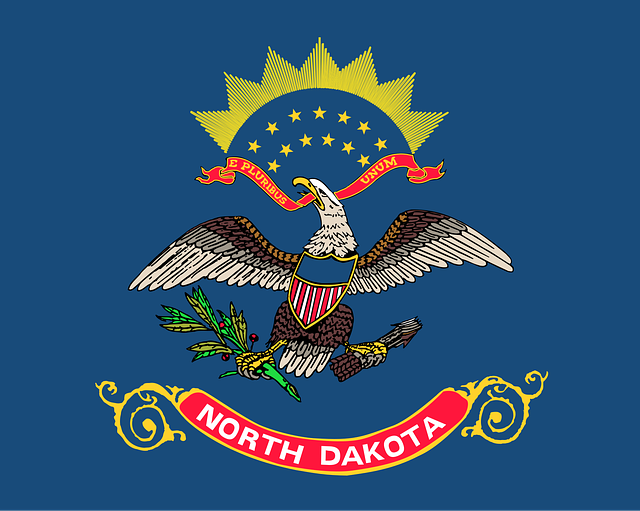
The 1st Cavalry Division Flag, a vibrant symbol of military heritage, boasts a unique design that tells a story of courage and tradition. At its heart, the flag features three distinct colors—red, white, and blue—that hold historical significance for the United States Army. The bold red represents blood shed in battle, a testament to the division's bravery; crisp white symbolizes purity and resilience; and deep blue evokes the strength and vigilance of the nation.
This iconic banner also includes intricate details like a horse's head, representing the cavalry heritage, and various symbols that reflect the division's missions and achievements over time. The 1st Cavalry Division Flag is more than just a piece of cloth; it serves as a mobile museum, narrating tales of battles won, comradeship forged, and American spirit undaunted through its vibrant colors and thoughtful design.
Cultural Impact and Variations Across Nations

The colors red, white, and blue hold immense cultural significance globally, often symbolizing unity, freedom, and patriotism. In many nations, these hues are deeply ingrained in their national identities and traditions. For instance, the 1st Cavalry Division Flag of the United States, featuring a striking red, white, and blue design, represents not only military pride but also the nation's core values. Each color carries its own symbolism: red for courage, white for purity, and blue for vigilance.
Across different countries, variations of these colors exist, reflecting their unique histories and cultural nuances. While the general spectrum remains consistent, specific shades or patterns differ, creating a diverse global tapestry. These variations often tell stories of distinct struggles, victories, and values that have shaped each nation's identity. From the French tricolor to the British Union Jack, each flag tells a tale of its people's resilience, heritage, and collective spirit.
The red, white, and blue colors have evolved far beyond their historical significance, becoming powerful symbols of identity and pride. As seen in the 1st Cavalry Division Flag, these hues convey strength, courage, and unity, resonating deeply with various cultures worldwide. Understanding the symbolism behind these classic colors offers a glimpse into our shared heritage and diverse interpretations, enriching our appreciation for both national flags and the human spirit they represent.