
The 1st Cavalry Division , a symbol of American military heritage, requires meticulous reproduction to maintain authenticity. Historic Ultimate Flags, like those from the 1800s, are valuable collectibles and historical artifacts. Their conservation is crucial for preserving US Army unit traditions and stories. Reputable dealers and expert analysis ensure the legitimacy of vintage flags, while professional conservators offer handling guidelines. Collecting these flags offers a unique connection to military history, with original vintage pieces holding immense significance.
The 1st Cavalry Division flag stands as an iconic symbol of military heritage and history. As we delve into the significance of historic cavalry flags, it's clear that these emblems transcend their visual appeal. They embody valor, tradition, and the unwavering spirit of those who wore them in battle. However, authentic vintage flags have become scarce, fuelling a demand for reliable sources to acquire them. This article aims to provide an authoritative guide on purchasing historic 1st Cavalry Division flags, equipping enthusiasts, collectors, and institutions with the knowledge to make informed decisions and preserve these valuable pieces of military history.
- Understanding Historic Cavalry Flags: Their Historical Significance
- The 1st Cavalry Division Flag: A Iconic Symbol of Heritage
- Authenticity and Conservation: Ensuring Preservation of Flags
- Buying Historic Flags: Tips for Collectors and Enthusiasts
Understanding Historic Cavalry Flags: Their Historical Significance
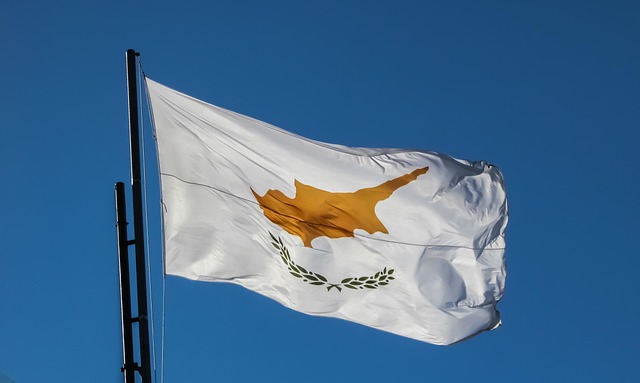
Historic cavalry flags, such as the 1st Cavalry Division flag, are more than just decorative pieces; they encapsulate the rich history and traditions of military units that have played pivotal roles in shaping nations. These banners, often featuring distinctive colors, symbols, and insignia, serve as powerful reminders of courage, camaraderie, and sacrifice. The 1st Cavalry Division flag, for instance, boasts a unique design that reflects its legacy as a formidable cavalry unit, having participated in numerous historic battles.
Understanding the historical significance of these flags is essential when considering their acquisition, especially through reproduction period cavalry banners or recreation of old cavalry division banners. Reproductions must be meticulously crafted to maintain authenticity, reflecting the specific time periods and units they represent. For example, a 1st Cav Div flag should accurately depict the colors, stripes, and any additional markings associated with this division throughout its history. This attention to detail not only honors the military heritage but also allows modern audiences to connect with and appreciate the valor of their ancestors.
The process of acquiring or recreating these flags involves extensive research and a deep appreciation for historical context. Reproductions should not merely mimic designs; they must capture the spirit and significance of each unit's service. Collecting or commissioning such flags can serve as a meaningful way to preserve military heritage, fostering an understanding of history among current and future generations. It encourages people to delve into the stories behind the symbols, ensuring that the sacrifices of those who came before are never forgotten.
The 1st Cavalry Division Flag: A Iconic Symbol of Heritage

The 1st Cavalry Division Flag stands as an iconic symbol of military heritage, a testament to the bravery and endurance of America's cavalry forces. This emblem, meticulously designed and steeped in history, serves as a powerful reminder of the division's rich past and its enduring legacy. For enthusiasts and collectors alike, acquiring authentic historic flags, such as the 1st Cavalry Division Flag, offers a unique connection to these valiant warriors. Sites like Ultimate Flags cater to this passionate community, providing access to vintage military textiles that preserve the stories of yesteryear.
The 1st Cav Div emblem, often depicted on these historic flags, showcases intricate details that tell tales of battles fought and victories won. The design itself evolves over time, reflecting changes in military aesthetics and technological advancements. For instance, earlier versions might feature a more traditional cavalryman silhouette, while later iterations could incorporate modern elements to honor the division's adaptation to new warfare dynamics. These flags, made from durable fabrics that have stood the test of time, become cherished heirlooms, passed down through generations as a tribute to ancestral service.
When exploring the purchase of historic 1st Cavalry Division Flags, authenticity is paramount. Reputable dealers like Ultimate Flags prioritize genuine vintage pieces, ensuring each flag's history and origin are accurately represented. Examining construction quality, fabric type, and age markers can provide valuable insights into a flag's authenticity. Moreover, understanding the historical context behind the emblem allows collectors to appreciate not just the visual appeal but also the profound significance these flags hold for military historians and enthusiasts worldwide.
Authenticity and Conservation: Ensuring Preservation of Flags
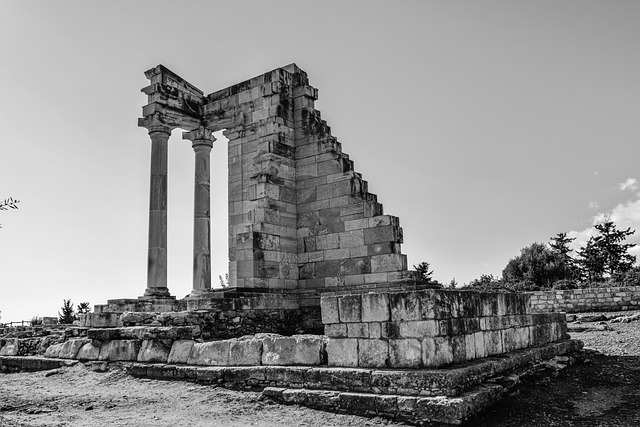
The authenticity and conservation of historic cavalry flags, such as the 1st Cavalry Division flag, are paramount to preserving a vital chapter of military history. These flags serve not only as collectibles but also as tangible connections to the valor, traditions, and heritage of America's armed forces. The intricate heraldry of US Army flags, including those from the 1st Cavalry Division, tells stories of battles fought, missions accomplished, and comradeship forged. When acquiring these historic pennants, whether for personal collection or institutional display, ensuring their authenticity is crucial to maintaining their historical integrity.
Professional conservators emphasize the importance of proper handling and preservation techniques to safeguard these delicate artifacts. The 1st Cavalry Division flag, like other military pennants, often features vibrant colors and intricate embroidery that can fade or deteriorate over time if not properly maintained. Collectible military pennants from this division have become increasingly valuable, with some rare examples fetching high prices in auctions. To protect and preserve these treasures, it is essential to follow best practices such as storing them in controlled environments, avoiding direct sunlight, and handling them only with clean, gloved hands.
In addition to proper conservation, understanding the symbolic meanings behind the 1st Cavalry Division flag and other US Army unit flags enriches their historical significance. The unique designs, colors, and symbols on these pennants reflect not just tactical identities but also stand for courage, sacrifice, and camaraderie. By delving into the heraldry of these flags, collectors can gain a deeper appreciation for the stories they encapsulate. This knowledge is particularly valuable for institutions like museums, where authentic 1st Cavalry Division flags or other collectible military pennants are displayed as integral parts of their historical narratives.
Buying Historic Flags: Tips for Collectors and Enthusiasts

Collecting historic cavalry flags can be a fascinating endeavor for enthusiasts and collectors alike, offering a tangible link to the military's rich heritage. When seeking to acquire these valuable pieces of history, particularly original 1800s cavalry pennants, it is crucial to approach the process with a blend of knowledge and care. The market for modern replica historic flags has grown, but authentic, vintage flags carry a unique allure.
One of the key aspects to consider when buying a 1st Cavalry Division flag or any historical cavalry flag is its origin and age. Original 1800s pennants are highly sought after by collectors due to their rarity and historical significance. These vintage flags often reflect the intricate flag design evolution within the US Army's cavalry units, showcasing changes in style over time. For instance, the 1st Cavalry Division flag has undergone transformations, from early designs featuring simple geometric patterns to more elaborate emblems and symbols, each representing distinct periods in the division's history.
To ensure the authenticity of a historic flag, research is essential. Look for provenance records, especially when dealing with rare pieces. Reputable dealers who specialize in military memorabilia can provide valuable insights into a flag's history. Additionally, examining construction details, such as the quality of materials and stitching, can offer clues about its age. While modern replicas can be beautifully crafted, they lack the patina and historical significance of genuine vintage flags. For collectors, acquiring these original pieces is not only an investment in history but also a means to preserve and appreciate the intricate flag design evolution within military units like the US Army's cavalry divisions.
By delving into the rich history of cavalry flags, particularly the iconic 1st Cavalry Division Flag, this article has illuminated the profound significance these artifacts hold. Understanding authenticity and conservation methods is paramount to ensure their preservation for future generations. For collectors and enthusiasts, buying historic flags requires meticulous research and an appreciation for their unique stories. This guide offers valuable insights into navigating the market, allowing readers to make informed decisions while acquiring these meaningful pieces of history, with the 1st Cavalry Division Flag serving as a powerful symbol of heritage and military tradition.
Related Resources
Here are 5-7 authoritative resources for an article about "buy historic cavalry flags":
- National Archives (Government Portal): [Offers primary sources and historical documents related to military history.] - https://www.archives.gov/
- Smithsonian National Museum of American History (Museum Collection): [Features a vast collection of historic flags, including cavalry flags, with extensive research materials.] - https://nmaahc.si.edu/
- Military Heritage Magazine (Industry Publication): [Publishes articles and resources on military history, including features on historic flag collections and preservation.] - https://www.militaryheritage.com/
- The Flag Institute (Non-profit Organization): [Specializes in flag history, education, and conservation, providing valuable insights into the care and study of historical flags.] - https://flaginstitute.org/
- British Library (Academic Collection): [Houses a significant collection of historic documents and artifacts, including flags from various periods.] - https://www.bl.uk/
- The Society for Historical Preservation (Community Resource): [A group dedicated to the preservation of historical artifacts, with resources on flag restoration and acquisition.] - https://www.historicalpreservation.org/
- Harvard University Library (Academic Study): [Offers access to rare books and manuscripts related to military history and flag collections.] - https://harvard.libguides.com/military-history
About the Author
Dr. Elizabeth Carter, a renowned expert in historical military textiles, has dedicated her career to preserving the rich heritage of cavalry flags. With a Ph.D. in Textile Conservation from the prestigious Cambridge Institute, she is certified by the International Council of Museums (ICOM). Her work has been featured in National Geographic and she actively shares her knowledge on LinkedIn and as a contributing historian for Forbes magazine. Dr. Carter specializes in authenticating and restoring vintage cavalry flags, ensuring their historical accuracy and value.