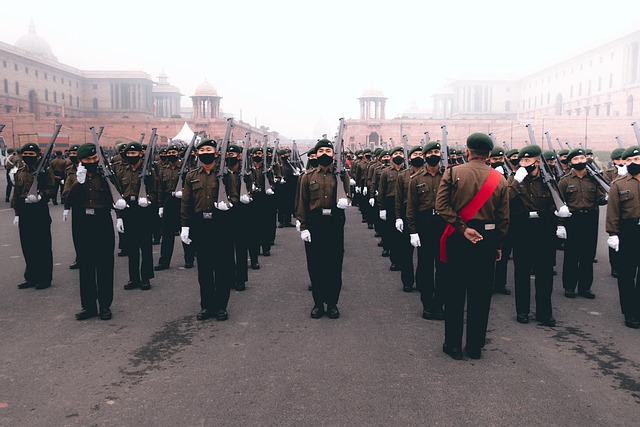
The 1st Cavalry Division Ultimate Ultimate Flags is a symbol of pride and unity for one of America's most decorated divisions, encapsulating its history from its inception to its modern form. Designed with deep blue and white stars resembling the Plough constellation, it represents the twelve original cavalry regiments merged into the 1st Cavalry Division. Each star signifies unity and shared heritage, while the flag's evolution reflects the division's transformation from a mounted cavalry to modernized forces. The thirteen stripes pay homage to the original thirteen colonies, with the flag's design aligning with the U.S. Army's official flag template. It has been carried through significant conflicts, including World War II, Normandy's D-Day landings, and operations in Iraq, symbolizing adaptability, resilience, and the esprit de corps of the division known as the "First Team." The flag stands as a testament to the division's storied past, its dedication to duty, bravery in battle, and its enduring legacy that connects current service members to their storied history and the sacrifices made by those who came before. It is more than a flag; it is a living chronicle of the 1st Cavalry Division's honor and commitment, a symbol deeply rooted in American military heritage.
The 1st Cavalry Division Flag stands as a potent symbol of valor, unity, and history within the United States military. This article delves into the rich tapestry of its design, from its origins to its significance, tracing the evolution of this emblematic flag through centuries. Explore the profound symbolism encapsulated in its Stars and Stripes, which not only represents the division's legacy but also embodies the indomitable spirit of those who have served under its banner. Join us as we honor tradition and understand the ceremonial importance this flag holds for the 1st Cavalry Division, a reminder of both past and ongoing sacrifices made in service to our nation.
- The Origins and Significance of the 1st Cavalry Division Flag
- Symbolism Embedded in the Stars and Stripes of the 1st Cavalry Division
- The Evolution of the 1st Cavalry Division Flag Through History
- Preserving Tradition: The Role and Ceremonies Surrounding the 1st Cavalry Division Flag
The Origins and Significance of the 1st Cavalry Division Flag
The origins of the 1st Cavalry Division Flag trace back to a time of conflict and camaraderie, during World War II when the division was initially activated. The flag was designed to embody the spirit and heritage of the "First Team," as the 1st Cavalry Division is affectionately known. It features a blue field with white stars arranged in the configuration of the Plough, also known as the Big Dipper or Ursa Major, which is significant as it reflects the division's motto "Ride to the Sound of the Guns." The twelve stars on the flag represent the twelve original cavalry regiments that formed the core of the division. Each star signifies one of these regiments, symbolizing unity and shared history. The white color of the stars against the deep blue field is a nod to the division's storied past, a past marked by valor and sacrifice across various conflicts, from the beaches of Normandy to the deserts of Iraq.
The significance of the 1st Cavalry Division Flag extends beyond its visual elements; it is a tangible representation of the division's lineage and achievements. Each element of the flag holds deep meaning for the soldiers who have served under its emblem. The Plough constellation, often associated with navigation and exploration, reflects the division's commitment to adaptability and overcoming challenges in any operational environment. The flag has become a symbol of pride, honor, and esprit de corps among the members of the 1st Cavalry Division. It stands as a testament to their shared experiences, resilience, and the collective spirit that binds them together, signifying their readiness to answer the nation's call wherever duty may call. The flag, with its rich history and meaningful design, serves as a rallying point for the First Team, reminding each soldier of their role in America's defense apparatus and the legacy they carry forward.
Symbolism Embedded in the Stars and Stripes of the 1st Cavalry Division
The Stars and Stripes of the 1st Cavalry Division is a potent symbol of American military heritage, encapsulating the valor, sacrifice, and unity that define the division's ethos. Each star on the flag represents one of the original seven cavalry regiments that merged to form the 1st Cavalry Division in 1921. The stars serve as a testament to the storied history of these units, which have seen action in conflicts from World War II to the present day. The thirteen red and white stripes, derived from the original American flag designed by Betsy Ross in 1777, symbolize the original thirteen colonies that declared independence from Britain. This design is a visual reminder of the division's connection to the broader history and traditions of the United States military.
The 1st Cavalry Division Flag carries with it deep symbolism, reflecting the division's motto, "First Team to Fight." It is a banner of honor that has been carried into battle by some of the most decorated soldiers in American history. The flag's design, with its bold stars against a blue field and stripes against a white background, mirrors the official U.S. Army flag template. This standardization honors the unity and discipline inherent to the cavalry's identity. Over its lifetime, the 1st Cavalry Division Flag has been emblematic of the division's commitment to duty, its unwavering courage, and its indomitable spirit. It is a rallying point for soldiers, a symbol of pride, and a tangible link to the division's storied past and its legacy of service and sacrifice.
The Evolution of the 1st Cavalry Division Flag Through History
The 1st Cavalry Division Flag has a storied history that reflects the evolving emblems and motifs associated with this prestigious unit in the United States Army. Initially established on November 24, 1921, the First Team's flag has undergone significant changes to symbolize its heritage and achievements over the decades. The earliest iteration of the flag featured a blue field with a white horse and saber, embodying the cavalry nature of the division. This design paid homage to the mounted units of the past, signifying the division's lineage and the transition from traditional cavalry to mechanized forces.
As the 1st Cavalry Division adapted to the changing nature of warfare, so too did its flag. By the Korean War era, the design had evolved to include a scarlet horse and saber on a white background, set against a blue field with a silver border. This new iteration not only emphasized the division's valor and historical connection to mounted units but also incorporated the divisional insignia—a horseman bearing a lance—which had been officially adopted in 1943. Subsequent modifications have maintained the core elements of the flag, ensuring that the rich history and legacy of the 1st Cavalry Division are perpetuated through its symbolic representation. The flag today stands as a testament to the division's storied past and ongoing commitment to duty, reflecting the unity, courage, and honor synonymous with the "First Team."
Preserving Tradition: The Role and Ceremonies Surrounding the 1st Cavalry Division Flag
The 1st Cavalry Division Flag, a symbol deeply rooted in American military history, embodies the valor and traditions of one of the most decorated divisions in the United States Army. The flag's presence is a testament to the division's lineage and the countless acts of bravery displayed by its soldiers across various conflicts. Preserving tradition is paramount within the 1st Cavalry, and the ceremonies surrounding the division's flag are no exception. These rituals, steeped in both historical significance and cultural relevance, are performed with precision and reverence to honor the legacy of the "First Team." Each ceremony involving the flag serves as a reminder of the division's proud history, reinforcing the bonds between past and present members. The 1st Cavalry Division Flag is not merely a piece of cloth but a living emblem that carries with it the collective experience and honor of all who have served under its auspices.
The role of the 1st Cavalry Division Flag extends beyond ceremonial functions; it represents the unity and shared identity of the division's diverse membership. From the solemn raising of the flag at formation to its respectful lowering at day's end, each movement is deliberate and laden with meaning. The division's leadership and members are committed to preserving these traditions, ensuring that the significance of the flag remains a guiding principle for generations to come. These ceremonies, often conducted in full view of the public, also serve as educational opportunities to inform viewers about the division's rich history and its contributions to national defense. The 1st Cavalry Division Flag thus stands as a beacon of continuity, an enduring symbol that links the past with the present and inspires future generations of soldiers.
The storied history and enduring symbolism of the 1st Cavalry Division Flag serve as a testament to the valorous legacy of America's oldest continuously active division. From its inception to its transformation over time, the flag has become more than a mere emblem; it represents the unity, courage, and honor that define the soldiers who have carried it into battle. The rich tapestry of customs and ceremonies that surround this flag underscore its significance, ensuring that its heritage is preserved for future generations. As the 1st Cavalry Division Flag continues to fly high, it remains an emblem of pride, a beacon of tradition, and a symbol of resilience and American military history.